Built with care. For care.
Expo helps healthcare teams deliver iOS, Android, and web experiences from one codebase - with the security posture, release controls, and reliability that care delivery demands.
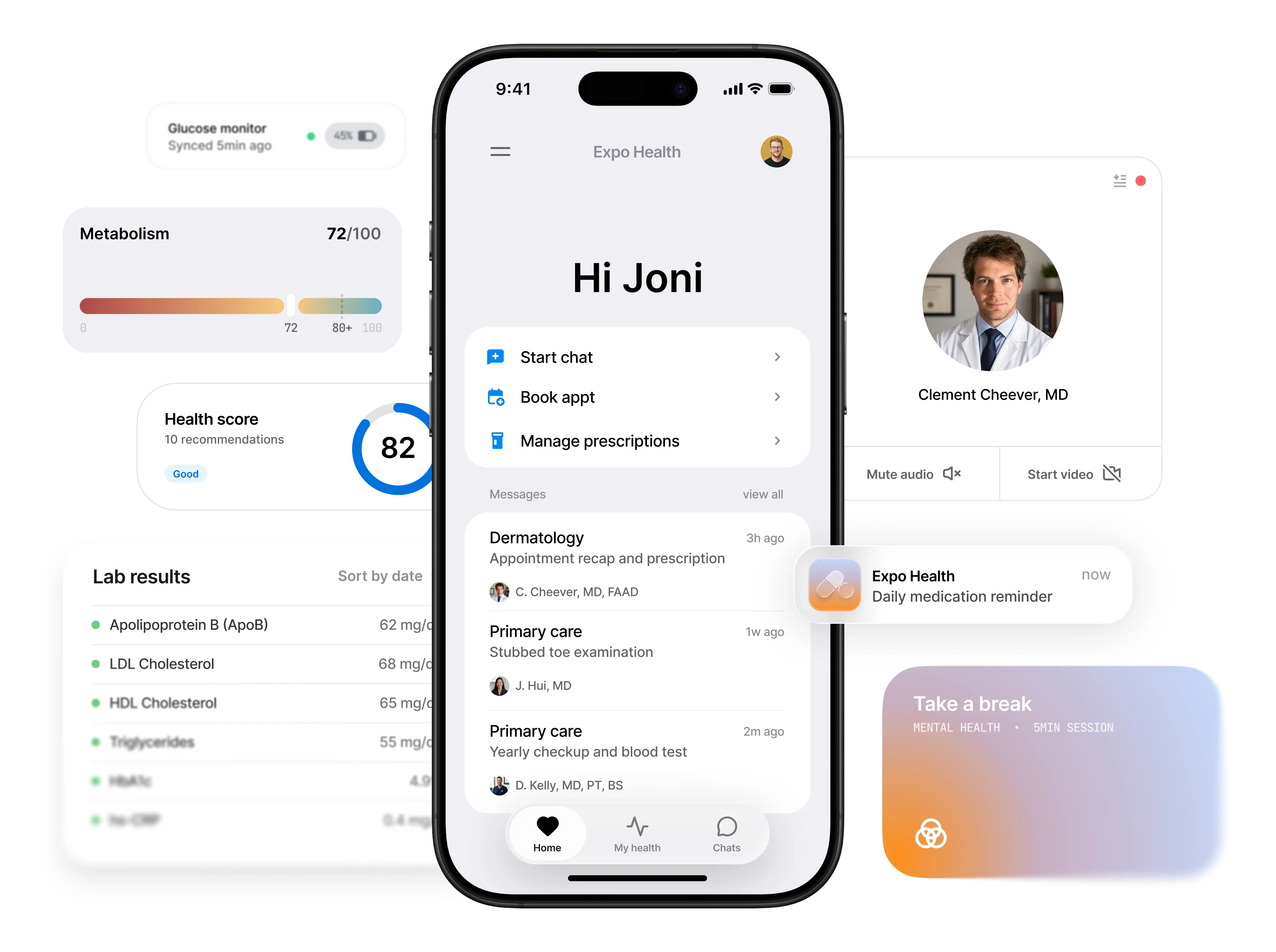
Healthcare apps, engineered for response
Whether you're running a telehealth platform, a patient portal, or a field-clinician tool, Expo gives you the control surface to ship confidently and respond when something needs to change.
Reliability you can build on
99.9% uptime SLA, global edge delivery, and the same infrastructure handling millions of releases daily.
Rapid incident response
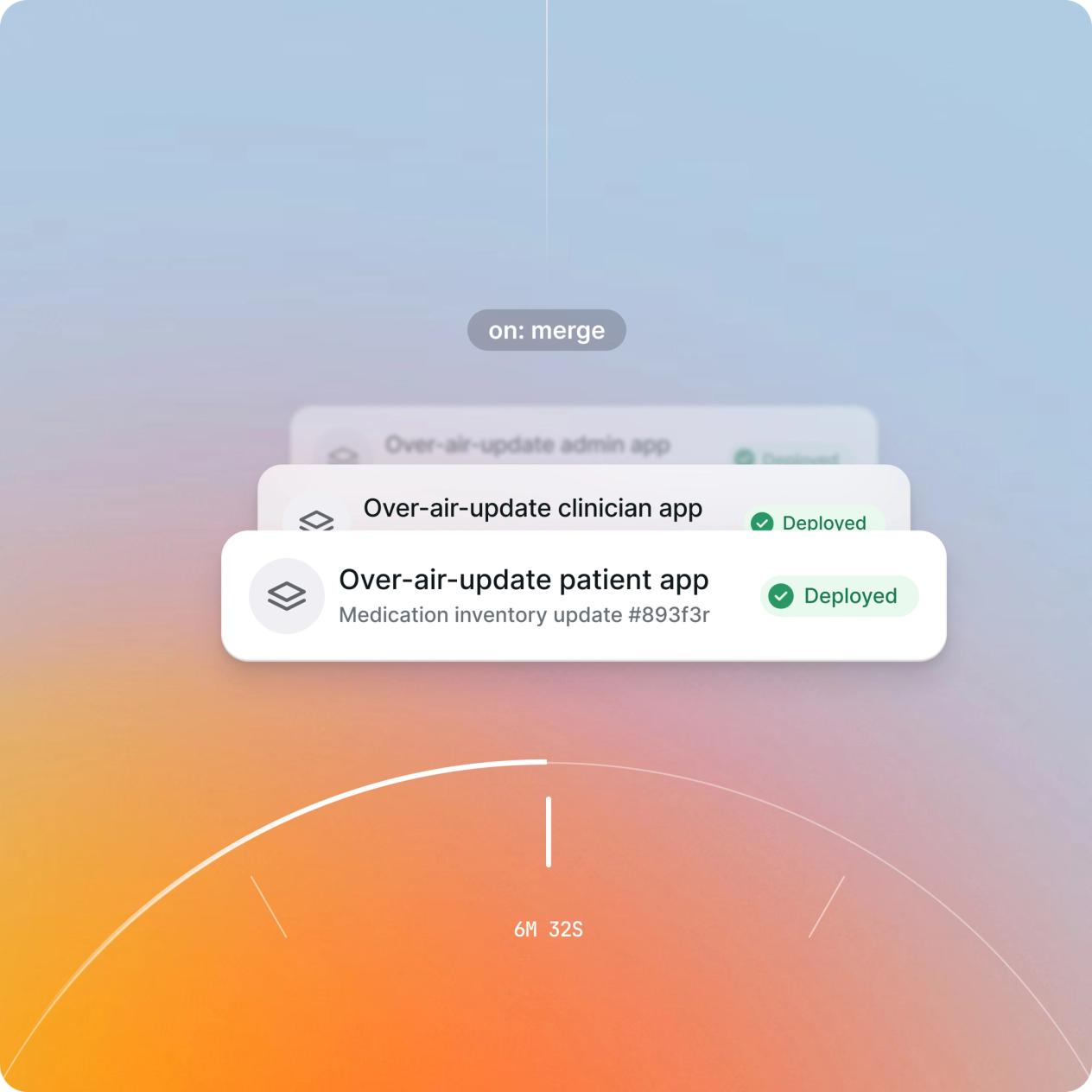
When something goes wrong, fix it for every patient and clinician with Expo OTA Updates before a bug becomes a ticket, a complaint, or worse.
One codebase, every platform
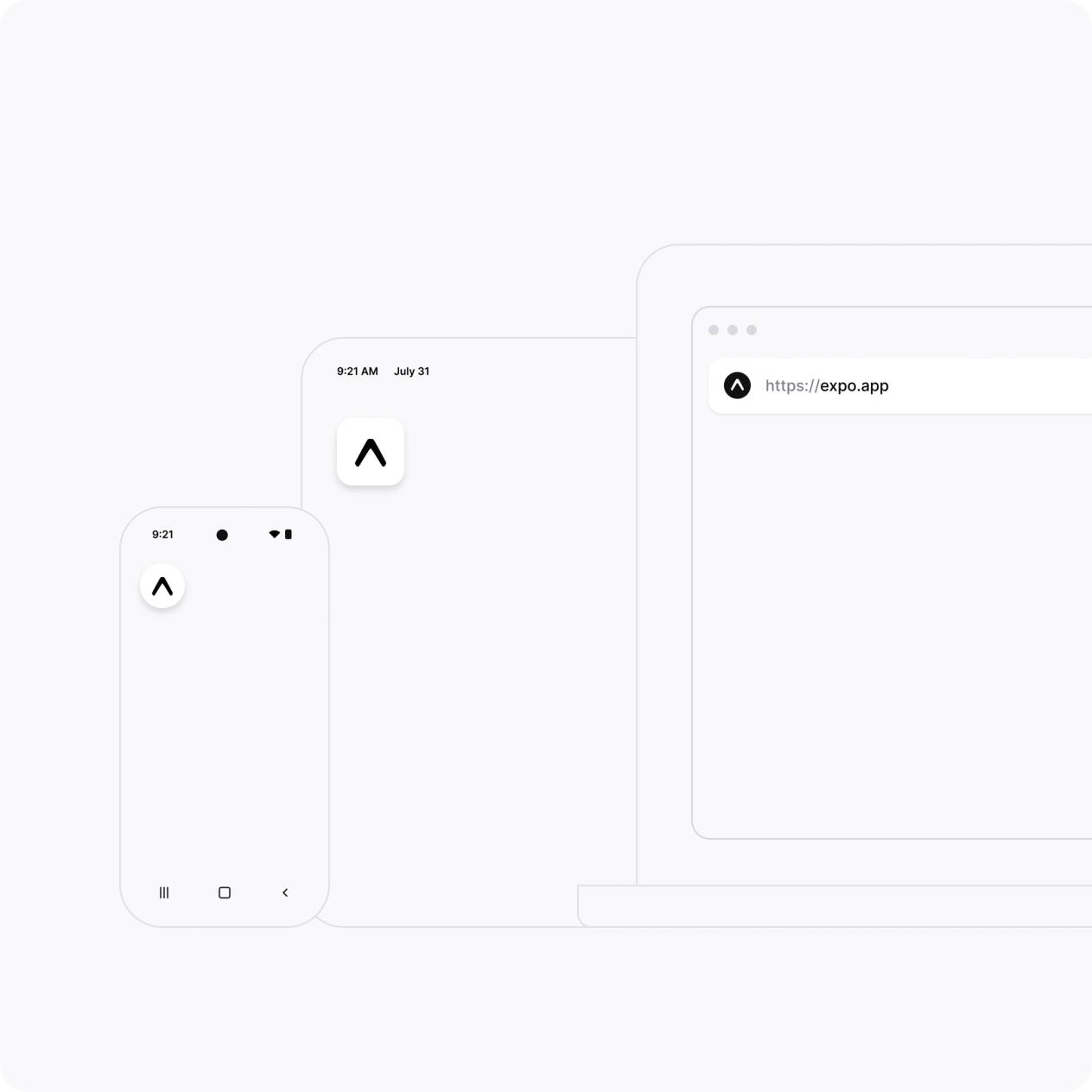
One codebase across iOS, Android, and web. Ship a regulatory or UX update once, not separately for every platform.
Fix what can't wait
A broken appointment flow, a medication lookup bug, a consent form that won't submit - in healthcare, a small bug has outsized consequences. EAS Update lets you ship a targeted fix to every device in minutes, not a two-week App Store cycle. Roll out by cohort, region, or app version. Roll back just as fast.
One codebase for every setting
Patient app. Clinician app. Admin portal. Partner-branded white-label. All from a shared Expo and React Native codebase. Platform-specific logic where it matters, shared everywhere else, so a regulatory update or a UX change ships once, not separately for every audience.
Full control
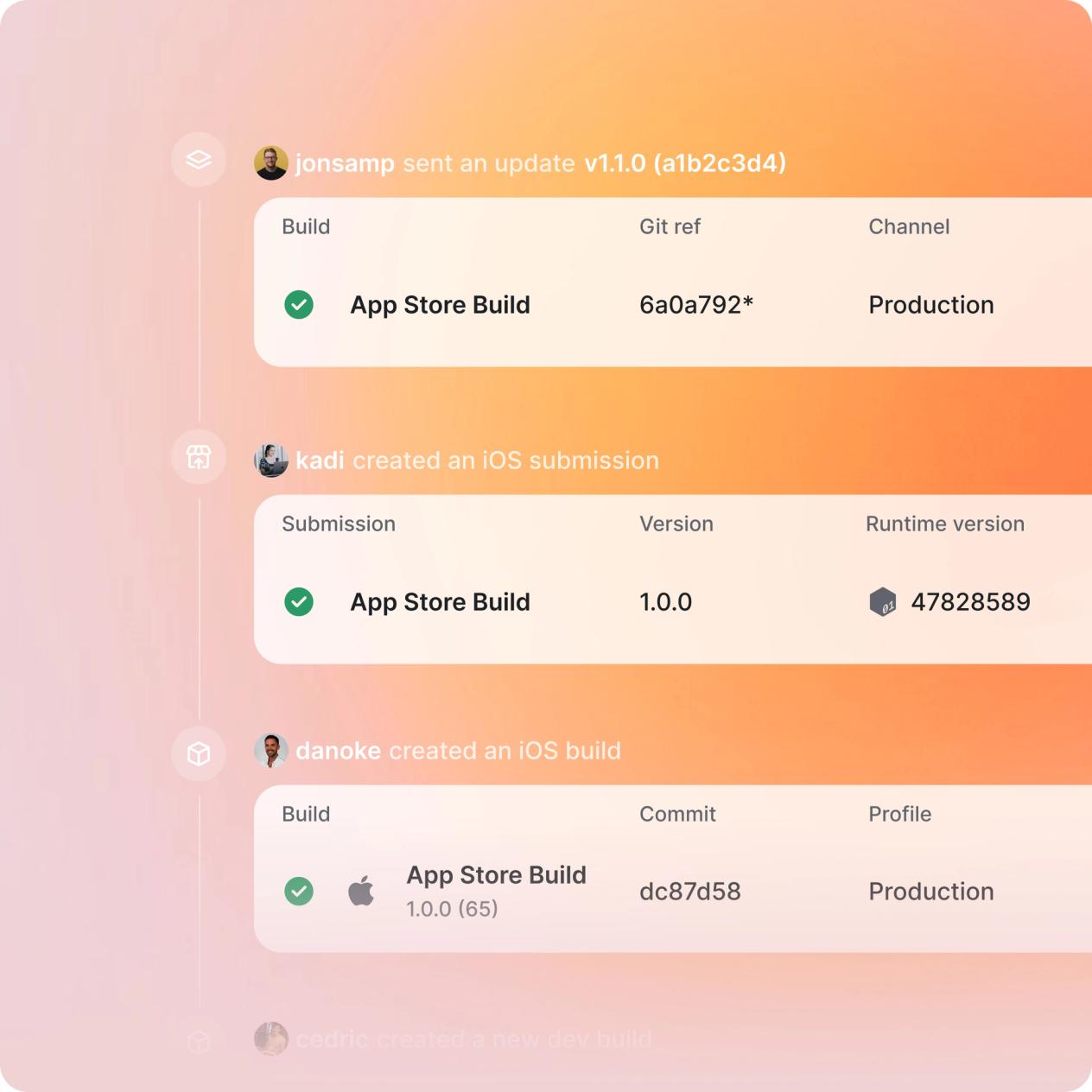
Signed builds, chain-of-custody, role-based access, and exportable audit logs for admin actions. When an app touches patient care, every release has to be reviewable. Expo makes that routine, not a scramble.
Rigorous compliance
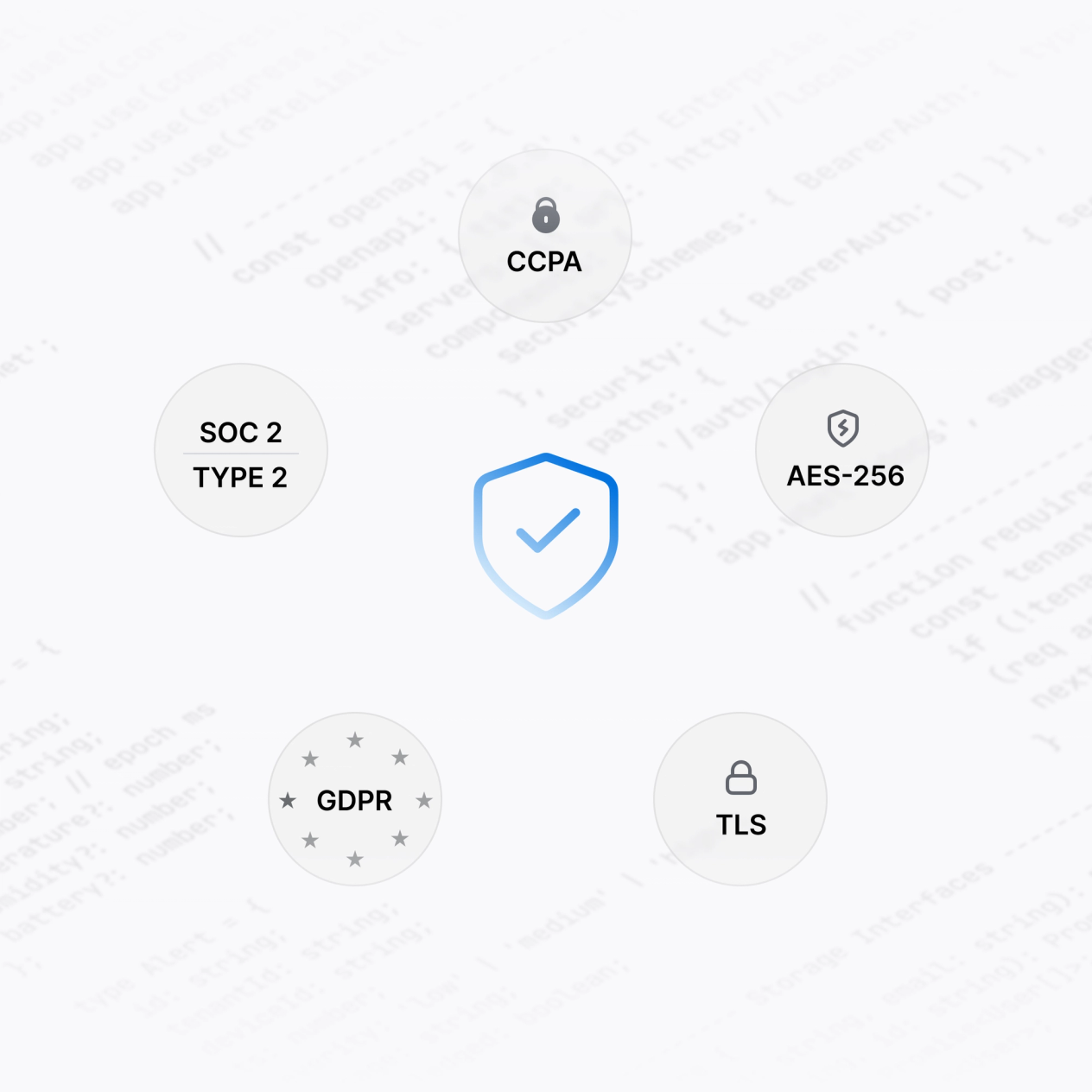
Expo Application Services build and distribute your code - never your data. Patient information stays in your backend, your auth provider, your database. That clean separation keeps PHI outside Expo's scope, which means HIPAA compliance is about your stack, not ours. Expo is not HIPAA-certified and does not sign BAAs - and for the architecture above, doesn't need to. The one exception is push notifications: See the rules below in [Push notifications, built right].
“Choosing React Native and Expo meant that we were able to build an app in record time. 36 hours after the first line of code, we were live on both the App Store and Google Play Store.”

7,200+ health and wellness apps already on Expo
Telehealth & virtual visits
Video, scheduling, pre-visit forms, post-visit summaries, all in one app, across iOS, Android, and web.
Patient portals & records
Chart access, lab results, messaging with care teams - built once, deployed everywhere patients are.
Pharmacy & medication
Refill reminders, delivery tracking, interaction checks - with the audit trail a regulated workflow needs.
Remote monitoring & chronic care
Wearable integrations, BLE sensors, symptom tracking - Expo's native-module story keeps the hard parts easy.
Clinical research & studies
Rapid deployment for time-sensitive studies. ZOE went from first line of code to live on both stores in 36 hours.
Provider staffing & field tools
Shift management, credentialing, check-in flows - the internal apps that keep healthcare running.
Healthcare resources
Everything you need to evaluate, adopt, and scale Expo in a clinical context.
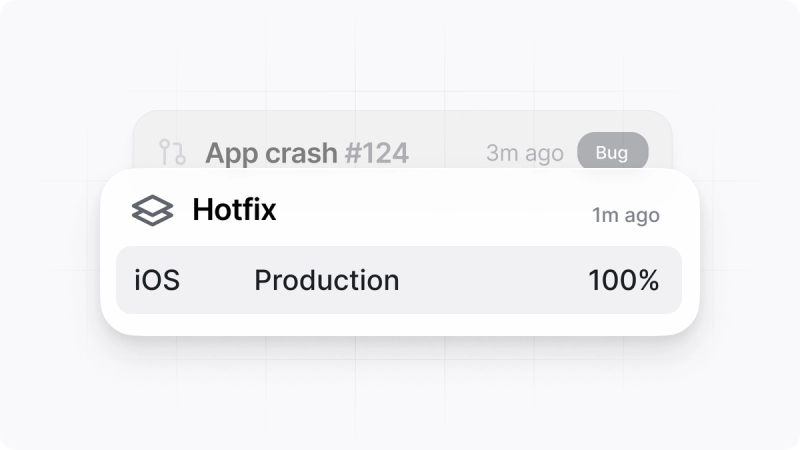
Expo OTA Update: Respond when it matters
OTA infrastructure that lets you roll out reviewed fixes by cohort, region, or version - and roll back just as quickly.
Learn more
Expo Trust Center
SOC 2 Type 2, GDPR, CCPA, Data Privacy Framework - and how patient data stays outside Expo's scope.
Learn more
Incremental Adoption
Migrate a single screen or a single module. No forced rewrites, no disruption to ongoing care workflows.
Learn more
App Integrity
Protect your backend from unauthorized clients. Critical when APIs move patient data between systems.
Learn more
Push notifications, built right
Notification payloads - title, body, any plaintext field - are visible on lock screens and pass through Apple Push Notification service and Firebase Cloud Messaging. Sending PHI in them violates HIPAA, regardless of any BAA.
Learn more
Expo Build & Submit
Signed, reproducible, auditable builds. Submit to the stores from a single pipeline, with full logs retained.
Learn more